

Demand Challenges Fabricators
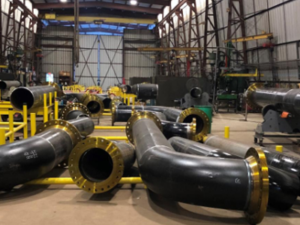
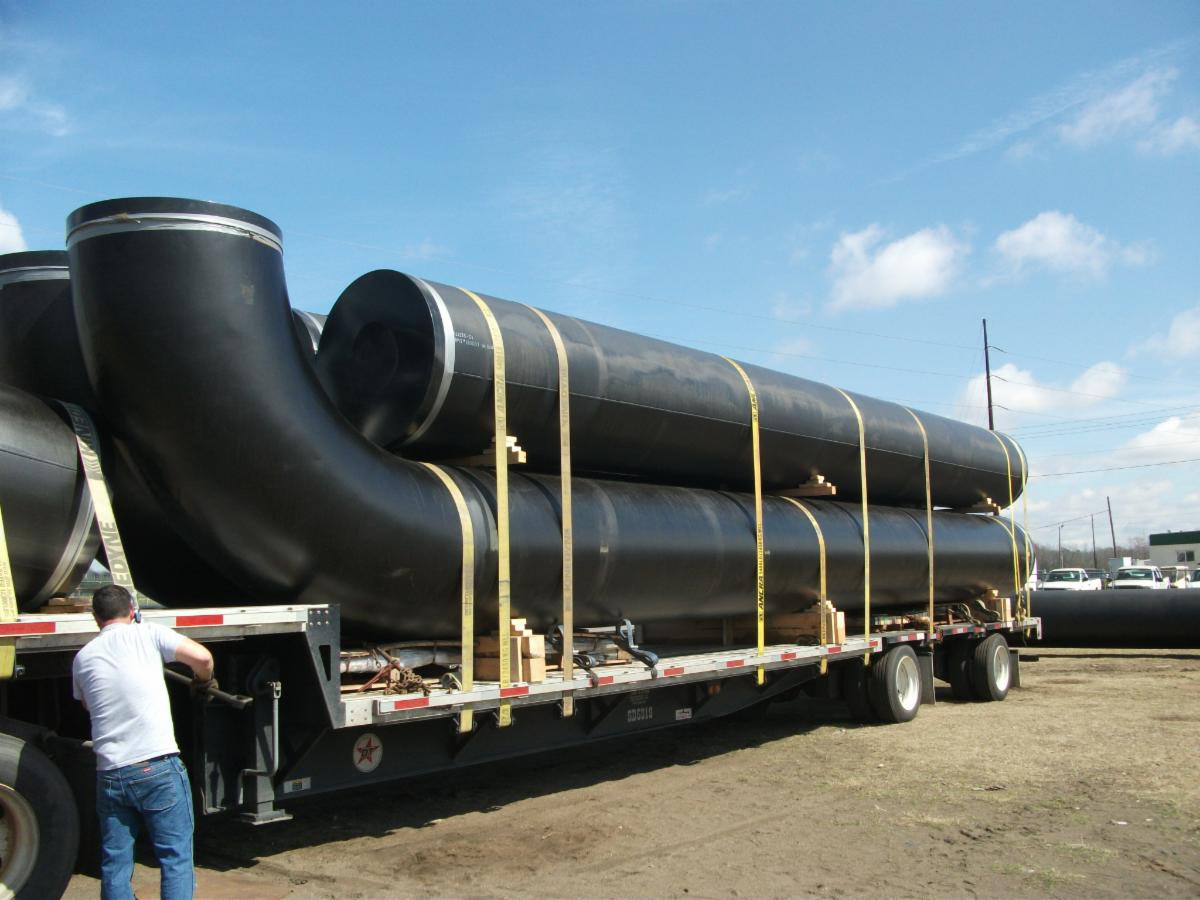
The pipe fabrication industry is experiencing one of the strongest periods of demand in decades. Throughout the U.S., PFI (Pipe Fabrication Institute) members, such as ourselves, are reporting practically full backlogs, increased project opportunities, strained estimating departments and a growing need for skilled labor. What factors are driving the demand and what are the challenges we face? It is a convergence of events that we have not seen in a very long time.
- The continued expansion of energy infrastructure: Natural gas-fired power plants, combined-cycle facilities, LNG terminals, renewable natural gas (RNG) plants, hydrogen projects, and carbon capture facilities all require extensive piping systems. These projects depend on precisely fabricated pipe spools to ensure quality, safety, and efficient installation.
- The unprecedented growth of data centers: As artificial intelligence, cloud computing, and digital services continue to expand, developers are constructing large-scale data centers across the country. These facilities require sophisticated cooling water systems, chilled water piping, fuel gas systems, and fire protection networks. In many cases, new power generation facilities are being built alongside the data centers, creating additional demand for fabricated piping.
- The replacement and modernization of aging infrastructure: Many refineries, chemical plants, manufacturing facilities, and power stations were constructed decades ago and now require significant upgrades. Aging piping systems must be replaced to improve reliability, increase capacity, and meet modern environmental and safety standards. Fabricated pipe spools allow these upgrades to be completed more efficiently and with less disruption to ongoing operations.
For many, this convergence might seem ideal for pipe fabricators. However, these opportunities are met with legitimate challenges. Here are a couple to consider.
- Labor shortages throughout the construction industry: Skilled welders, pipefitters, and fabrication specialists are becoming more difficult to find as experienced workers retire, and fewer young workers enter the trades. As a result, project owners and contractors increasingly rely on fabrication shops to perform work in controlled environments where productivity and quality can be maximized.
- Owners are seeking faster project completion schedules: Shop fabrication reduces field labor requirements, improves quality control, minimizes weather-related delays, and accelerates installation activities. These advantages help projects stay on schedule and within budget.
At Dixie, we see the continued investments in energy, manufacturing, industrial expansion, and data center development as positives for our industry, and the country as well. This meeting of industrial demand and technology advancement will help our country grow stronger and we applaud this growth.
Lastly, for nearly 25 years, we have offered quality fabrication, certified welding, modular assembly capabilities, and reliable delivery schedules to our customers. We look forward to celebrating our anniversary and continue providing fabrication/mechanical excellence for another 25 years.
To learn more about who Dixie is, visit our About page.
Stay Connected