

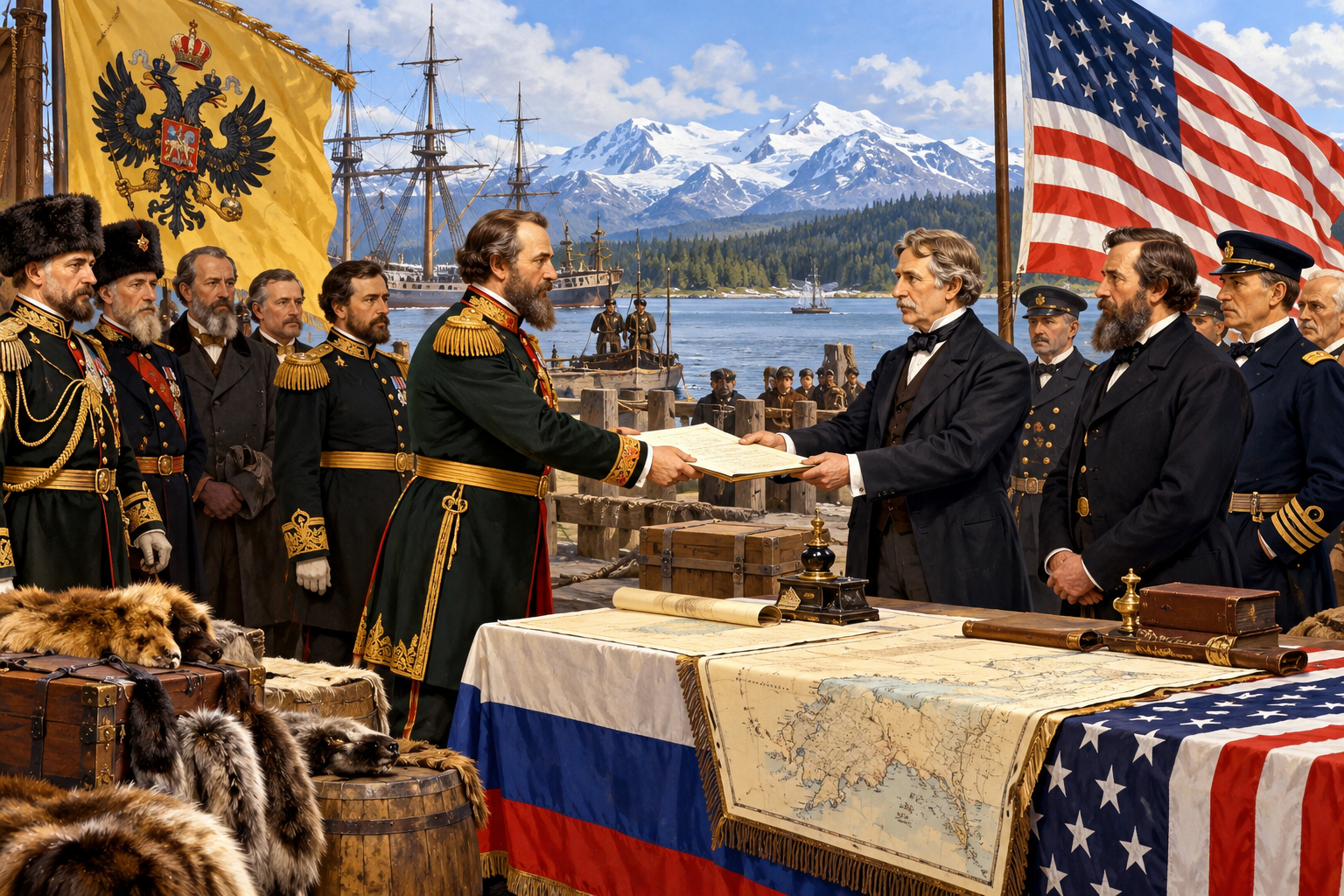
Alaska – A New Frontier
October 18th commemorates the 1867 transfer of Alaska from Russia to the United States, a “folly” then, a strategic safeguard today! Initially controversial (Seward’s Folly), time has proven that the 2 cents per acre purchase gave the U.S. an enormous strategic position, vast natural resources and a gateway to the Arctic and Pacific.
History of ASME Section IX Welding Process
In our August issue, we discussed the history of ASME Section IX and its importance to both safety and quality in the welding industry. In this month’s article, we look at the qualified welding processes that are covered by ASME Section IX, where and why they are used.
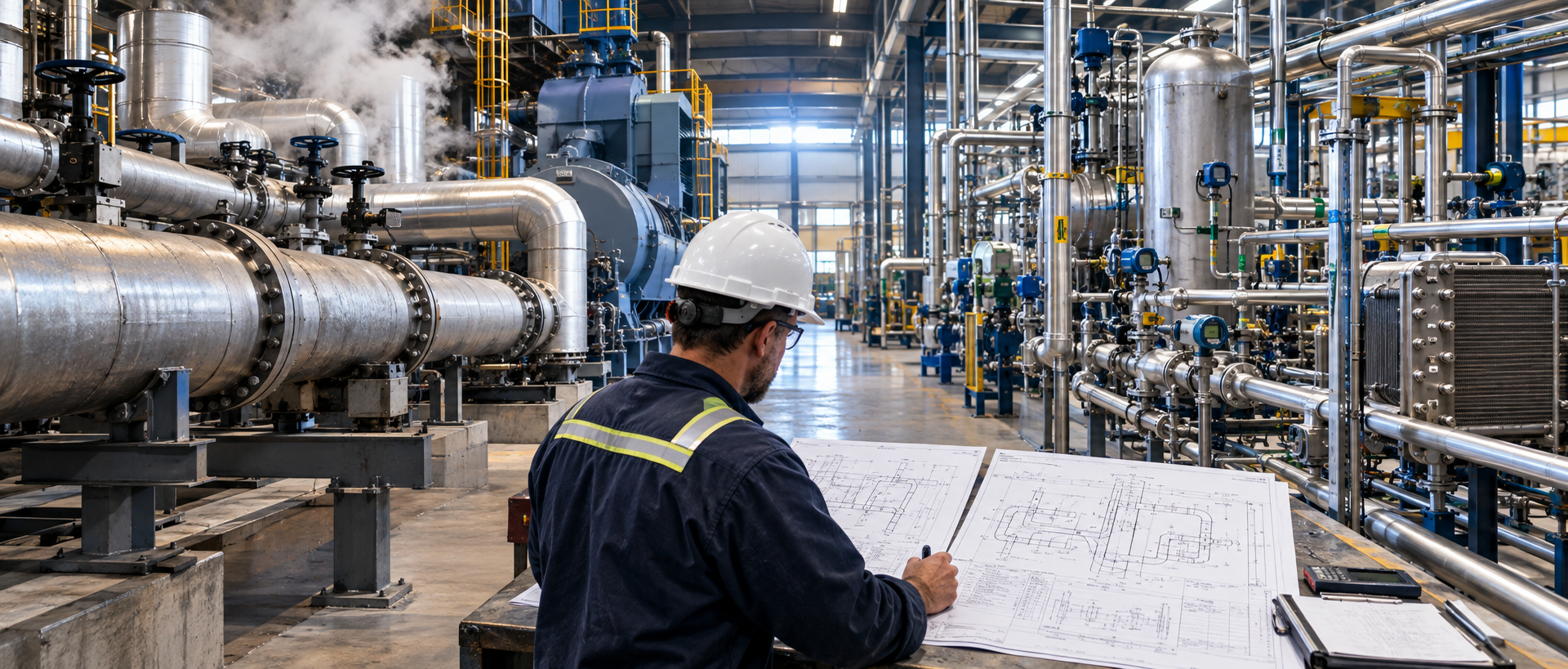
ASME B31.1 vs. ASME B31.3
ASME B31.1 vs. ASME B31.3 | What’s the difference? The simplest way to understand the differences between ASMNE B31.1 and B31.3 is their application: “What type of facility is the piping intended to serve?” The answer • ASME B31.1 is primarily the code for power-generation and utility piping. • ASME B31.3 is primarily the code for process-plant piping.
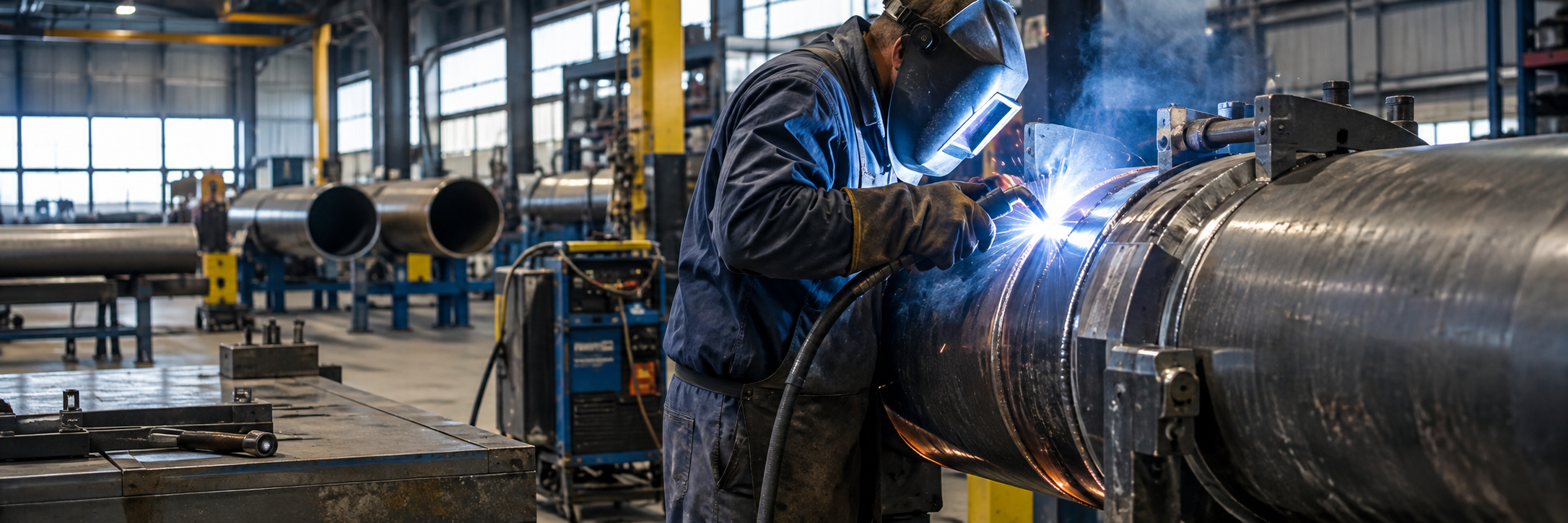
Welding Procedures in Pipe Fabrication
Welding procedures are critical to the safety, quality, reliability, and repeatability of welded construction. In industries such as power generation, petrochemical and chemical processing, a properly qualified welding procedure is much more than paperwork.

The Origins of Labor Day
Unlike many holidays that commemorate military victories or historical events, Labor Day has its roots in the American labor movement of the late 19th century, a period when industrialization transformed the United States.
History of ASME Section IX Rev 1
Our August, September and October articles will address one of the core facets of our business, a facet that has been included in almost every communique with a potential client: All weld procedures and welders are certified per ASME B31.1 and B31.3, in accordance with ASME Section IX.

Dixie Mechanical | Summer Safety Reminders
As a Southern fabricator and mechanical contractor, we know how brutal the summer heat gets. By July and August, the heat index often tops a hundred degrees, and our PPE makes it feel even hotter. Add flame-resistant clothing, welding hoods, gloves, and steel-toe boots, and the body works just as hard to stay cool as it does to build quality piping.

Demand Challenges Fabricators
Throughout the U.S., PFI (Pipe Fabrication Institute) members, such as ourselves, are reporting practically full backlogs, increased project opportunities, strained estimating departments and a growing need for skilled labor.
Stay Connected